 The largest district in Himachal Pradesh, Lahaul and Spiti is also one of the most sparsely populated regions on earth. This rugged network of interlocking river valleys lies in the rain shadow of the Himalaya – 12, 000 sq km of snow-topped mountains and high-altitude desert, punctuated by tiny patches of greenery and villages of whitewashed mud-brick houses clinging to the sides of rivers and meltwater streams.
Category: Himachal Pradesh
 Separated from the Kullu Valley by the 4551m Kunzum La, Lahaul is greener and more developed than Ladakh and Spiti, but most travellers whistle straight through on the way to Manali or Leh, missing most of what Lahaul has to offer. The capital, Keylong, is an easy stop on the popular Leh–Manali bus trip and you can detour to a number of mountain villages and medieval monasteries that are blissfully untouched by mass tourism.
 The old Hindustan–Tibet Hwy (built by the British as a sneaky invasion route into Tibet) runs northeast from Shimla through Kinnaur, providing access to mountain villages with slate-roofed temples and vast orchards of apple trees that provide Himachal’s most famous export. The Kinnauris, or Kinners, are a proud, Aryan people who mainly survive from farming and apple growing. You can recognise Kinners all over India by their green felt thepang hats.
 The capital of Lahaul sprawls along one side of the green Bhaga Valley, spread out below the Manali–Leh highway. It’s a friendly little town that has experienced a major economic boom since it became the main overnight stop for buses travelling between Himachal Pradesh and Ladakh. Many travellers stop just for the night and leave early the next morning, but there are interesting walks in the surrounding hills and the pace of life is easy and unhurried.
 Sprawling over the eroded flood plain of the Spiti River, Kaza is the administrative and transport hub of Spiti subdistrict. The setting is wonderfully rugged – jagged mountains rise on either side and the river coils across the flat valley floor like a python with indigestion. The original, whitewashed village is separated from the modern administrative compound at New Kaza by a stream. The Dalai Lama is set to open the new Sakya Gompa in New Kaza in 2008.
 Kasol is the main traveller HQ in the Parvati Valley. It’s like Vashisht or Old Manali but more so, with dozens of reggae bars, traveller restaurants, internet cafés, body-piercing studios and cheap guesthouses. You’ll either love it or loathe it. The nicest places to stay are in Old Kasol on the Bhuntar side of the bridge; most of the amenities are in New Kasol on the Manikaran side.
 The former capital of the princely state of Kangra, this bustling pilgrim town is an easy day trip from McLeod Ganj. Hindus visit to pay homage at the Brajeshwari Devi Temple, one of the 51 Shakti peeths, the famous temples marking the sites where body parts from Shiva’s first wife, Sati, fell after the goddess was consumed by flames – the Brajeshwari temple marks the final resting place of Sati’s left breast.
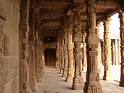 Tourism is bringing many changes to Kalpa, but for now this remains one of the most peaceful villages in Kinnaur. Reached by a winding road above Rekong Peo, the village is a pleasing straggle of slate-roofed houses spread out over a ridge with breathtaking views across to Kinner Kailash. The surrounding orchards provide fancy-free walks and there are several simple guesthouses in the village, plus a growing number of modern hotels on the ridge above town.
 About halfway along the Parvati Valley, Jari is the quietest of the traveller hangouts in the valley. There are some friendly guesthouses and the village is the starting point for treks to Malana – a sprawl of wood and stone houses with its own unique caste system and parliament. Visitors must wait on the outskirts of the village to be invited in and it is forbidden to touch any of the villagers or their belongings (there’s a Rs 1000 fine if you break this rule). The walk is about 17km in each direction and the village has a few basic guesthouses for overnight stays.
Categories
Himachal Pradesh India Travel
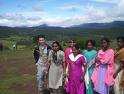 Crowned by the rugged peaks of the western Himalaya, Himachal Pradesh is North India for the thousands of foreign and domestic travellers who come here every year. Few states can match such incredible diversity – rolling foothills, lofty hill stations, madcap traveller towns, serene pine forests, endless apple orchards and the high-altitude deserts of Lahaul and Spiti, cut off from the outside world by snow for six months of the year.