 This 750-sq-km national park (01902-265320; www.greathimalayannationalpark.com; per day Indian/foreigner Rs 10/200, camera Rs 50/150) provides a home to 180 species of birds and rare mammals, such as black bears, brown bears, musk deer and the ever-elusive snow leopard. As well as conserving wildlife, the park runs programmes that provide a sustainable living for people living on the periphery of the conservation area.
Category: Himachal Pradesh
 Eastern Himachal Pradesh is dominated by Shimla, the state capital, and the mountainous district of Kinnaur, which runs north to Spiti. The official district website is hpshimla.nic.in.
 Dharamsala (pronounced Dharamsala) is best known as the home of the Dalai Lama. In fact, the Tibetan government in exile is based just uphill in Gangchen Kyishong, and most travellers stay uphill in the busy little traveller town of McLeod Ganj. Dharamsala itself has a good museum and a busy bazaar, but most people only come here to catch a bus.
 Dalhousie is another of those ‘little pieces of England’ that the British left behind after Independence. Since Independence, the colonial mansions have been joined by the posh Dalhousie Public School and numerous modern hotels catering to honeymooners from the plains. There isn’t much to do but stroll and admire the views, which is rather the point of coming here.
 The Chamba Valley is another splendidly isolated valley system, cut off from the Kangra Valley by the Dhauladhar Range and from Kashmir by the Pir Panjal. This area was ruled for centuries as the princely state of Chamba, the most ancient state in North India. Even though good roads connect Chamba with Pathankot and Kangra, surprisingly few foreign visitors make it out here, with even fewer continuing down the valley beyond the old hill station of Dalhousie.
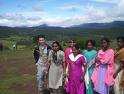 Well off the tourist circuit, the charming capital of Chamba district is dominated by the former palaces of the local maharajas. The princely state of Chamba was founded in AD 920 by Raja Sahil Varman and it survived for 1000 years until finally falling to the British in 1845. Every year since 935, Chamba has celebrated the annual harvest with the Minjar Festival in July/August in honour of Raghuvira (an incarnation of Rama).
 Running north towards Lahaul, the Kullu and Parvati Valleys are popular with hippies, honeymooners and adrenaline junkies. Many people continue north over Rohtang La (3978m) to Lahaul, Spiti and Ladakh.
 Bhuntar has the main airport for the Kullu Valley and a handful of hotels catering to airline passengers. This is also the junction town for buses to the popular Parvati Valley, but most people prefer to stay in Kullu.
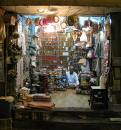 From Chamba, a perilous mountain road winds 65km east to the ancient slate-roofed village of Bharmour, hovering on the edge of a seemingly bottomless valley. Bharmour was the capital of the princely state of Chamba until AD 920, and there are fascinating temples and treks to surrounding mountain passes. The villages around Bharmour are home to the semi-nomadic Gaddis, pastoralists who move their flocks up to alpine pastures during the summer, and descend to Kangra, Mandi and Bilaspur in winter.