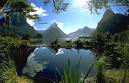
 The Haast region is a major nature refuge with enormous stands of rainforest thriving alongside extensive wetlands. The area’s kahikatea and flame-red rimu forests, swamps, sand dunes, seal and penguin colonies, bird life and sweeping beaches ensured its inclusion in the Southwest New Zealand (Te Wahipounamu) World Heritage Area. Birding buffs might see fantails, bellbirds, kereru (NZ pigeons), falcons, kaka, kiwi and morepork.
Read more for detail and Video tours from others.
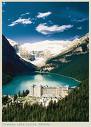 Some 120km south of Fox Glacier, Haast crouches around the mouth of the wide Haast River in three distinct pockets: Haast Junction, Haast Village and Haast Beach. After the jaw-dropping scenery of the glaciers or Haast Pass, the area is a functional service hub, but local operators are waiting on your call to transport you deeper into some of NZ’s most spectacular wilderness areas.
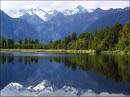 Welcome to the ‘Big Smoke’ of Westland. Crouched at the mouth of the Grey River (early European settlers had a lot of stuff to name, OK?), the West Coast’s largest town has a proud gold-mining history, and a legacy of occasional river floods, now somewhat alleviated by a flood wall.
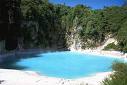 From Murchison, an alternative to the SH6 coast route is to turn off at Inangahua Junction and travel inland across winding valley roads via Reefton, and over the mountains into the Grey Valley.
 The early Maori knew Franz Joseph as Ka Roimata o Hine Hukatere (Tears of the Avalanche Girl). Legend tells of a girl losing her lover who fell from the local peaks, and her flood of tears freezing into the glacier.
 Not a shy and retiring type, Sir William Fox was NZ’s prime minister when he named the river of ice in 1872. Even if you’ve already been to Franz Josef Glacier, it’s still worth checking out Fox. Take a walk around beautiful Lake Matheson, and dive into Fox’s array of glacier-related attractions: glacier walks, flights and travellers wearing thermals.