 Bharatpur is home to the World Heritage–listed Keoladeo Ghana National Park, one of the world’s prime bird-breeding and feeding grounds. This peaceful sanctuary is hard-core twitcher (bird-watcher) territory, and boasts a whopping 364 species within its 29-sq-km marshlands, including many threatened aquatic birds on migratory routes from Central Asia.
Categories
 Home to the world’s first tiger census in 1932 and now part of Project Tiger, this undisputed natural gem of the state is 140km west of Ranchi and is one of the best places in India to see wild elephants, though tiger sightings are comparatively rare. The entire Palamau Sanctuary covers around 1026 sq km, while the core area of 232 sq km was declared as Betla National Park in 1989. Pure stands of sal forest, rich evergreens, teak trees and bamboo thickets are home to some 37 tigers, 62 leopards, 210 elephants and 249 bison. There are several rickety observation towers for the brave to climb and lay low, while watching wildlife in silence. Living among the animals are eight local tribes spread across 200 small villages. This area was also the seat of power in the Chero dynasty and two of its 16th-century forts still exist in the jungle.
 Rebranded Bengaluru in November 2006, the city more commonly known as Bangalore is not an obvious charmer. The crazy traffic, associated pollution and creaking infrastructure of this IT boom town will fast drive you demented. However, even though locals rarely sing Bengaluru’s praises as a tourist destination, it’s not a dead loss. There are a handful of interesting sights, the climate is benevolent, the city’s reputation for green spaces is well deserved, and the youthful energy and imagination (not to mention disposable income) of the ITocracy fuels a progressive dining, drinking and shopping scene – one of the best in India, in fact.
 Bekal (and nearby Palakunnu and Udma) in Kerala’s far north boast unspoilt white-sand beaches. Word on the street is they form the palm-fringed finish line for several large-scale, luxury resorts hoping to transform the area into the next Kovalam. As yet, there are few decent places to stay (and none near a beach) and getting around can be a real pain, making it a DIY destination for off-the-beaten-track adventurers. Because it’s a predominantly Muslim area, it’s important to keep local sensibilities in mind, especially at the beach.
 About 80km south of Mysore on the Ooty road, the Bandipur National Park (Indian/foreigner Rs 50/150) covers 880 sq km and is part of the Nilgiri Biosphere Reserve, which includes the sanctuaries of Nagarhole, Mudumalai in Tamil Nadu and Wayanad in Kerala. It was once the Mysore maharajas’ private wildlife reserve and is home to over 5000 Asiatic elephants – a fifth of the world’s population.
 Bandhavgarh may be smaller than Kanha but it claims to have the world’s highest-density tiger population – offering day-trippers a 99.99% chance of spotting a big cat. In addition to its tigers (27 in the 105-sq-km core area), the 448-sq-km park is inhabited by some 40 leopards, 250 species of bird and some 35 species of mammal, including nilgais, wild boars, jackals, gaurs, sambars and porcupines.
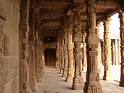 Looking at the scuffy village today, it’s difficult to believe that Badami was once the capital of the Chalukya empire, which covered much of the central Deccan between the 4th and 8th centuries AD. However, climb up into the red sandstone ridge and explore the magnificent rock-cut cave temples surrounding the village, and you’ll find ample evidence of Badami’s former status.
 Just over the border from Puducherry is the international community of Auroville – a project in ‘human unity’ that has ballooned to encompass more than 80 rural settlements spread over 20km, and about 1800 residents. Two-thirds of these are foreigners, representing around 38 different nationalities.
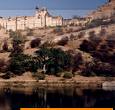 They say that every dog has its day and for dog-eared Aurangabad that day came when the last Mughal emperor, Aurangzeb, made the city his capital from 1653 to 1707. Though its claim to fame was only brief, the city retains a number of worthwhile historical relics, including a tempting Taj wannabe and some grandly carved caves, but the real reason for traipsing all the way out here is because the city makes an excellent base from which to explore the World Heritage site of Ellora.
 Fascinating Assam (Asom, Axom) straddles the fertile Brahmaputra valley, making it the most accessible core of India’s northeast. The archetypal Assamese landscape offers mesmerising autumnal vistas over seemingly endless gold-green rice fields patched with palm and bamboo groves and distantly hemmed with hazy blue mountain horizons. In between are equally endless, equally gorgeous manicured tea estates. Unlike Sri Lanka’s or Darjeeling’s, Assamese tea estates are virtually flat and take their particular scenic splendour from the dappled shade of interplanted acacia trees that shield sensitive tea leaves from the blazing sun.