 Tucked between hills facing the Sea of Okhotsk, and a world away from anything but the bear droppings and gold nuggets of the wide Kolyma Region, Magadan is a quiet city with an almost cute, rather European centre in pastels. Not exactly what you expect from the so-called ‘gateway to hell, ‘ as it was called by its builders: the estimated two million Stalin-era Gulag prisoners who passed through here.
Category: Russian Far East
 The stunningly beautiful, rugged 56-island chain of the Kuril Islands arc like stepping stones between the southern tip of Kamchatka and the Japanese island of Hokkaido. The islands, which form part of the Pacific ‘Ring of Fire’, are actually the tips of a volcanic mountain range. Among the peaks protruding from the sea are 49 active volcanoes, many of which erupt frequently and violently. Of these, Mt Tyatya is considered to be the most picturesque. The islands are indeed stunningly beautiful, with circular azure-blue lagoons, steaming rivers and hot springs, boiling lakes such as Lake Kupashi, the moonlike landscape of Mendelyev volcano, and some spectacular cliff formations, notably the Stolbchaty Cape.
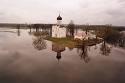 By far the eastern BAM’s best place to stop, Komsomolsk-na-Amure (the ‘City of Youth’; a whopping 1500km east of Tynda) sports a carefully planned tree-lined, bricked pavement centre with long prospekts, European-style buildings and rattling trams. Built in a hey-ho fervour in 1932, Komsomolsk was a Soviet-dream transformation of a swamp into a planned city for the Young Communist League (komsomol) to help populate the east – and strengthen area defences, with steelworks, an aircraft factory and shipbuilding yards on the Amur River. Activity has slowed since the glory days.
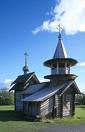 After dozens of hours of taiga and the isolated Soviet towns of eastern Siberia, Khabarovsk can put a jolt in the most rail weary. A booming river town 25km from China, Khabarovsk gives off an air of a coastal, almost Mediterranean, resort with tree-lined streets, squares with fountains, 19th-century brick buildings, popular parks overlooking the wide Amur, and real Japan- ese sushi, imported here to serve the frequent Japanese business travellers.
 Dangling across from Alaska between the Sea of Okhotsk and the Bering Sea, the 1000km-long Kamchatka Peninsula (also known as Kamchatskaya oblast) is without doubt one of Russia’s – and possibly the world’s – most beautiful regions. A ‘mini-Alaska, ‘ Kamchatka is more often called, accurately, the ‘land of fire and ice’. It boasts more than 200 volcanoes that bubble, spurt and spew in a manner that suggests that Creation hasn’t quite finished yet. Hikes up them take you through lush (mosquito-filled) forest, over clear streams filled with salmon, and past herds of reindeer to fields of hardened lava so unworldly that the Soviet space program tested ‘moonwalker’ vehicles here.
 Easily reached by public bus, the snug-in-valley village of Esso is a quiet, lovely place with the scent of pine and friendly locals who live in picturesque wooden cottages (many of which let rooms cheaply). Locals like to call it the ‘Switzerland of Kamchatka’; locals also go rather un-Swiss in heating their greenhouses for year-round tomatoes – tapping into the abundant hot springs. It’s easy to arrange rafting or horseback trips here for less than in Petropavlovsk.
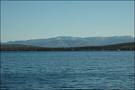 Running from south of Lake Baikal, the eastern stretch of the famed trans-Siberian mostly flattens east of the Yablonovy Mountains before reaching Khabarovsk and turning south into the mountains of Primorsky Territory and on to the lovely naval port Vladivostok.
 Mocked by Moscow brass (and much of Russia), the one-track BAM makes its greatest construction achievements on this 80-hour stretch east of Lake Baikal, where it passes more taiga, and through a 15.7km tunnel cut through solid rock. Most of the towns aren’t much to look at – 1970s housing blocks put up ‘so leaders wouldn’t look like idiots for spending so much on the railroad, ‘ one local cynic suggested – and with a greater stench of vodka in many passers-by. But many locals will be delighted at your interest (and maybe get you drunk). The best stop-off point is Komsomolsk-na-Amure, a European-styled town built in the 1930s.
 About 110km south of the trans-Siberian tracks, where Chinese and Russians rub shoulders, is Blagoveshchensk, a city set on the wide Amur River across from the Chinese town of Heihe. Since opening as a free trade zone in 1994, folks from either side swish-swash across the border (Russians for cheaper goods, Chinese for jobs – at lower wages than Russians). Blagoveshchensk (meaning ‘good news’) is less for tourism than business or gambling, but it’s interesting watching Chinese tourists posing in front of tsar-era European buildings and statues of Lenin.
 A couple hours shy of Khabarovsk on the trans-Siberian line (if you’re heading east), Birobidzhan is actually a more attractive town, with shady streets and a quiet pace. It’s interesting mostly for its history, as the big Hebrew letters spelling out the station’s name indicate.