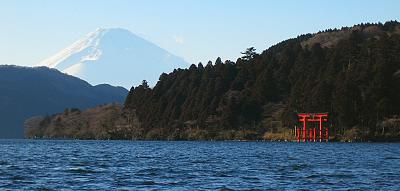
Hakone is part of the Fuji-Hakone-Izu National Park, less than 100 kilometers from Tokyo. Famous for hot springs, outdoor activities, natural beauty and the view of nearby Mt. Fuji, Hakone is one of the most popular destinations among Japanese and international tourists looking for a break from Tokyo.
Category: Japan Travel
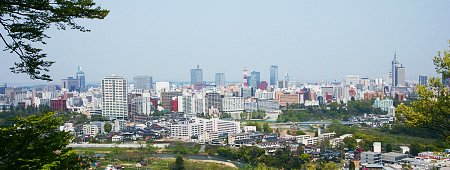
With roughly one million inhabitants, Sendai is by far the largest city in the Tohoku Region and one of the country’s fifteen largest cities.
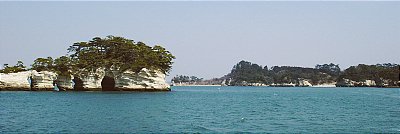
Matsushima is famous for its bay which is dotted by many pine clad islets and has been ranked one of Japan’s three most scenic views. The small town is also known for Zuiganji, one of the most important Zen temples of the Tohoku Region.
Categories
Hiraizumi Tohoku
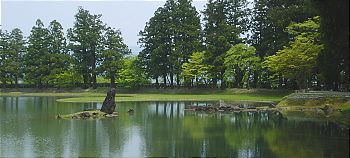
During the Heian Period (794-1185), Hiraizumi was the seat of the ruling Fujiwara clan’s “Northern branch” and rivaled the capital of Kyoto culturally, politically and commercially at its peak in the 12th century.
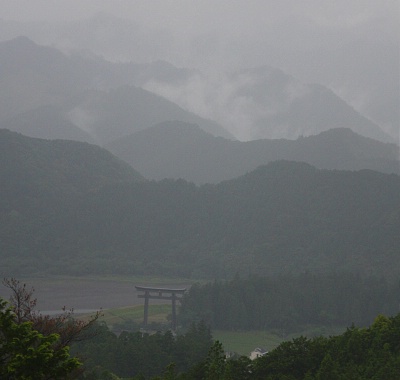
The Kumano area is located around the southern tip of the Kii Peninsula, about 100 kilometers south of Osaka. It spans Wakayama and Mie Prefectures, though most of the attractions and religious sites are in Wakayama.
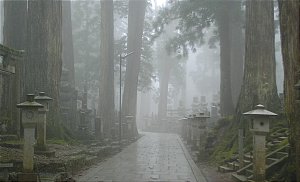
Mount Koya (Koyasan) is the center of Shingon Buddhism, a Buddhist sect which was introduced to Japan in 805 by Kobo Daishi (aka Kukai), one of the most significant personalities in Japan’s religious history. Over one hundred temples stand in the small town on top of the wooded mountain.
Categories
Dazaifu Fukuoka
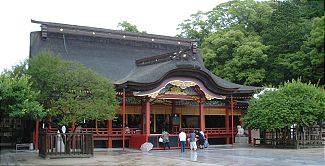
Now a small city just outside of Fukuoka, Dazaifu used to be the administrative center of Kyushu from around the 8th to the 12th century. The most famous among Dazaifu’s historic sights is the Dazaifu Tenmangu, the first of several thousands of shrines dedicated to Tenjin across Japan.
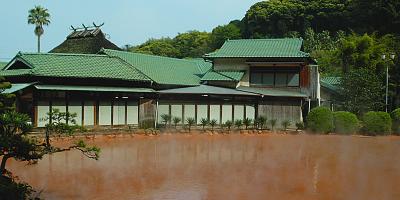
Beppu is one of Japan’s most famous hot spring resorts, producing more hot spring water than any other resort in the country.
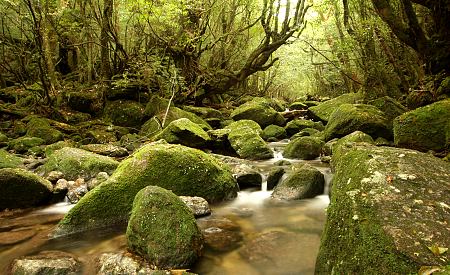
Yakushima is a subtropical island off the southern coast of Kyushu and part of Kagoshima Prefecture. It is covered by an extensive cedar forest that contains some of Japan’s oldest living trees. Trees more than 1000 years old are affectionately called yakusugi (a combination of Yakushima and the Japanese word for cedar, sugi), the most ancient of which may be over 7000 years old.
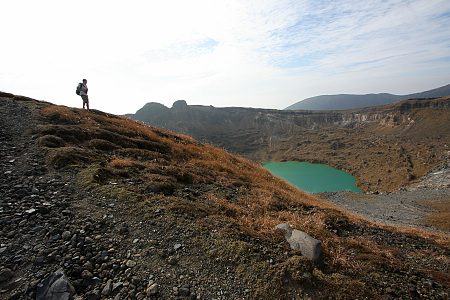
Kirishima is an active volcanic mountain range that lies on the border between Miyazaki and Kagoshima Prefectures. It is made up of mountains, highlands, volcanic lakes and hot springs and offers good hiking through beautiful mountainous surroundings. Although geographically separate, Kirishima and Yakushima Island make up the Kirishima-Yaku National Park, one of Japan’s oldest national parks.