One of the only towns on the Paulista coast that has preserved a portion of its colonial charms, São Sebastião sits on a dramatic channel dividing the mainland from Ilha de São Sebastião (popularly known as ‘Ilhabela’), a 15-minute ferry trip away. Prices are moderate by local standards, but for good reason. There are no beaches at hand, and the town is also a major oil depot, with huge tankers somewhat diminishing the natural beauty. Still, it makes a fine stopover if you’re traveling to Ilhabela or along the coast. And the windy channel is ideal for windsurfing. For information, check out the tourist office (3892 2620, ext 4; Av Doutor Altino Arantes 174; 10am-7pm Mon-Fri, 10am-8pm Sat & Sun) on the waterfront in the small colonial center of town.
Category: Brazil
The-Southeast Vassouras Brazil

Vassouras, a quiet resort 118km north of Rio, was the most important city in the Paraíba valley in the first half of the 19th century. Local coffee barons, with titles of nobility granted by the Portuguese crown, built huge fazendas (farms) in the surrounding hills. With the abolition of slavery in 1888 and the resulting decline in coffee production, the importance of Vassouras diminished, but several historic buildings from the boom days still survive in the pleasant town center.
The-Northeast Barra-Grande Brazil

Deliciously off the beaten path, Barra Grande is a remote, tranquil fishing village at the northern tip of the Peninsula de Maraú. It has the same charm and tree-shaded magic that originally attracted bohemian types to similar sand-street villages further south, but it hasn’t yet experienced a tourism boom. With a fair number of pousadas and restaurants, Barra Grande makes a great base for checking out the rest of the peninsula. Much of the village closes in winter.
The-Northeast Caravelas Brazil

Caravelas is a calm fishing town on the banks of the mangrove-lined Rio Caravelas. Though it has a friendly, down-home Carnaval and a pleasant enough atmosphere, the primary reason visitors come here is to visit the Parque Nacional Marinho de Abrolhos and other offshore reefs.
The-North Ilha-De-Marajo Brazil

The 50, 000-sq-km Ilha de Marajó, slightly larger than Switzerland, lies at the mouths of the Amazonas and Tocantins rivers. It was the ancient home of the Marajoaras indigenous culture, notable for their large ceramic burial urns. Today, Marajó’s friendly residents live in a few towns and villages and on the many fazendas (ranches) spread across the island. This is a world apart, where bicycles outnumber cars and water buffalo graze around town. Legend has it the buffalo are descended from animals that swam ashore from a French ship that sank while en route from India to French Guiana. The island is well-known for its buffalo cheese, buffalo steaks and buffalo-mounted police force.
The-Northeast Morro-De-Sao-Paulo Brazil

For some, the picturesque holiday village of Morro de São Paulo has exceeded acceptable limits of touristiness. For others, it is Bahia’s best beach town. All agree it is charming. Remotely perched at the northern tip of the Ilha de Tinharé, Morro’s appeal stems from its relaxed pace (no cars on the island) and unique geography: three jungle-topped hills on a point at the meeting of the mangrove-lined Canal de Taperoá and a clear, shallow Atlantic. Wheelbarrows help lug cargo (and luggage) along sandy lanes, past pousadas, restaurants and boutiques. During the high season the village booms, and there are parties on the beaches every night.
The-North Porto-Velho Brazil

Porto Velho is not high on anyone’s list of favorite cities in the Amazon. It isn’t one of the worst cities either, but few travelers find reason to linger long here. Charming or not, Porto Velho is a vital link in Brazil’s agricultural economy, as soybeans and other products are shipped on huge barges from here up the Rio Madeira and transferred directly to ocean liners headed abroad. That same ride – albeit on a boat not a barge – draws some travelers up from Cuiabá and the Pantanal on the slow route to Manaus and the Amazon.
The-Amazon Tabatinga Brazil

Tabatinga is most notable as the place where the Amazon River enters Brazil; otherwise, it’s a nondescript border town. Boats headed down to Manaus and up to Iquitos depart from Tabatinga’s two ports, and its airport serves Brazilian and Peruvian destinations.
The-Central-West Veadeiros Brazil

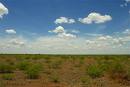
Just over 220km north of Brasília, this spectacular park showcases the unique landscape and flora of high-altitude cerrado. Big skies, hills rising like waves from the plains, scenic waterfalls and natural swimming pools make for a sublime landscape. Wildlife you’re likely to see includes maned wolves, giant anteaters and 7ft-tall rheas.
The-Southeast Belo-Horizonte Brazil

Known to locals as Bay-Agah (that’s Portuguese for BH), Belo Horizonte was named for its beautiful view of nearby mountains. If you climb into the hills south of town at sunset and survey the vast checkerboard of streets below, the city can still be strikingly beautiful. Still, many people give Belo a miss altogether, based on reports that it’s smoggy and overdeveloped. There’s some truth there, but the city has considerable other charms.