
Isolated Guanay makes a good base for visits to the gold-mining operations along the Ríos Mapiri and Tipuani. If you can excuse the utter rape of the landscape for the sake of gold, chatting with the down-to-earth miners and barranquilleros (panners) can make for a particularly interesting experience. This area and points upriver are frontier territory that may be reminiscent of the USA’s legendary Old West. Gold is legal tender in shops and saloons, and the foundations of the local culture appear to be gambling, prostitutes and large hunks of beef.
Category: Bolivia
Categories
The-Amazon-Basin Bolivia
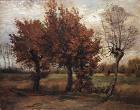
The Amazon Basin is one of Bolivia’s largest and most mesmerizing parts. The rainforest is raucous with wildlife (the flora and fauna include rare species), and spending a few days roaming the sweaty jungle (and minding the bugs) is an experience you’re unlikely to forget. This is where you’ll find the deep and mysterious lushness that has drawn adventurers and explorers since the beginning of time. And it’s not only the forests that are enchanting: it’s also the richness of indigenous cultures, traditions and languages that exist in the region.
Categories
The-Amazon-Basin Guayaramerin Bolivia
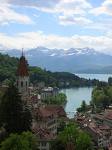
Knocking on Brazil’s back door, Guayaramerín is twinned with the Brazilian town of Guajará-Mirim on the other side of the Río Mamoré. This lively town thrives on all kinds of trade (legal and illegal) with Brazil and its streets are full of dusty motorcycle tracks and markets heaving with synthetic garments. It is now the northern terminus for river transportation along the Río Mamoré.
Categories
The-Southeast Bolivia

The vast lowlands of the Bolivian Oriente are rich and varied, and home to much of the country’s natural resources. Numerous cultural highlights include stunning Jesuit missions and natural wonders like Parque Nacional Amboró and the more remote Parque Nacional Noel Kempff Mercado. Che Guevara fans can follow his footsteps, while stalwart travelers can venture into Paraguay through the wild Chaco. Brazil is a hop, skip and a train ride away.

The Island of the Sun is the legendary Inca creation site and is the birthplace of the sun in Inca mythology. It was here that the bearded white god Viracocha and the first Incas, Manco Capac and his sister-wife Mama Huaca (or Mama Ocllo), made their mystical appearances. Isla de la Luna (Koati; Island of the Moon), the site of a deteriorating convent housing the virgins of the sun, is smaller and less touristed; a small admission fee may be charged.
Categories
The-Southwest Bolivia

Nowhere tantalizes the senses as much as Bolivia’s southwest. Picture windswept basins, white-capped volcanic peaks and blinding white salt deserts. Feel indeterminable distances. Taste red dust. Further east, enjoy silence as the altiplano drops into ethereal and spectacular rainbow-rock surrounds. And as you head lower again, breathe in the scent of the region’s magical orchards and vineyards.
Categories
La-Paz Bolivia
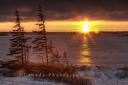
La Paz is dizzying in every respect, not only for its well-publicized altitude (3660m), but for its quirky beauty. Most travelers enter this extraordinary city via the flat sparse plains of the sprawling city of El Alto, an approach that hides the sensational surprises of the valley below. The first glimpse of La Paz will, literally, take your breath away. The city’s buildings cling to the sides of the canyon and spill spectacularly downwards. On a clear day, the imposing showy, snowy Mt Illimani (6402m) looms in the background.
Categories
The-Amazon-Basin Trinidad Bolivia

Trinidad’s the place you’ll come to if you’re after a trip down the long and deep Río Mamoré, or on your way between Santa Cruz and Rurrenabaque. The town’s massive, green, tropical main square (Trinidad is only 14 degrees south of the equator) greets you with a freshness that, unfortunately, doesn’t extend to the rest of the town. The streets of Beni’s growing tropical capital are dusty, pot-holed and lined with open sewage canals, which will make your appetite shrivel significantly.
Categories
Lake-Titicaca Bolivia
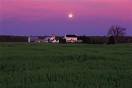
Lake Titicaca is deservedly awash with gushing clichés. This incongruous splash of sapphire amid the stark plains of the Altiplano is one of the most beautiful sights in the region. Although it is often wrongly described as the highest navigable lake in the world (both Peru and Chile have higher navigable bodies of water), it nevertheless sits at a dizzying 3820m. It is more than 230km long and 97km wide, making it South America’s second-largest body of freshwater after Venezuela’s Lake Maracaibo. The lake straddles both Peru and Bolivia, and is a remnant of the ancient inland sea known as Lago Ballivián, which covered much of the Altiplano before geological faults and evaporation brought about a drop in the water level.
Categories
The-Southwest Tupiza Bolivia

In the background looms the Tupizan range, very red, or better, a ruddy sepia; and very distinct, resembling a landscape painted by an artist with the animated brilliance of Delacroix or by an Impressionist like Renoir… In the tranquil translucent air, flows the breath of smiling grace…