
Banked against the channel, the hushed, fragrant southern forests of Tierra del Fuego are a stunning setting to explore. West of Ushuaia by 12km, Parque Nacional Tierra del Fuego, Argentina’s first coastal national park, extends 630 sq km from the Beagle Channel in the south to beyond Lago Fagnano in the north. However, only a couple of thousand hectares along the southern edge of the park are open to the public, with a minuscule system of short, easy trails that are designed more for day-tripping families than backpacking trekkers. The rest of the park is protected as a reserva natural estricta (strictly off-limits zone). Despite this, a few scenic hikes along the bays and rivers, or through dense native forests of evergreen coihue, canelo and deciduous lenga, are worthwhile. For truly spectacular color, come in the fall when hillsides of ñire burst out in red.
Category: Argentina
Categories
Northwest-Argentina Quilmes Argentina

Dating from about AD 1000, Quilmes (admission AR$5; 8am-6pm) was a complex indigenous urban settlement that occupied about 30 hectares and housed as many as 5000 people. The Quilmes locals survived contact with the Inca, which occurred from about AD 1480 onward, but could not outlast the siege of the Spaniards who, in 1667, deported the last 2000 inhabitants to Buenos Aires.
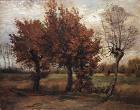
Like a mellower version of Bariloche, San Martín has two peak periods – winter for skiing at Cerro Chapelco and summer for trekking, climbing, etc in the nearby Parque Nacional Lanín. Brave souls also swim in the chilly waters of Lago Lácar on the western edge of town. Between these times, it’s a quiet little town with a spectacular setting that retains much of the charm and architectural unity that once attracted people to Bariloche. A boat ride on the lake is pretty much a must if you’re passing through, and if the snow’s cleared (anytime from December onwards) and you’re heading south, you should seriously think about leaving town via the scenically neck-straining Ruta de los Siete Lagos (RN 234), which runs south to Villa la Angostura and Bariloche.
Categories
Patagonia Trevelin Argentina

Historic Trevelin (treh-veh-lehn), from the Welsh for town (tre) and mill (velin), is the only community in interior Chubut with a notable Welsh character. Easygoing and postcard-pretty, this pastoral village makes a tranquil lodging alternative to the much busier Esquel (remember, everything is relative here), or an enjoyable day trip for tea. The surrounding countryside is ripe for exploration.
Categories
The-Lake-District Bariloche Argentina

Strung out along the shoreline of Lago Nahuel Huapi, in the middle of the national park of the same name, Bariloche (formally San Carlos de Bariloche) has one of the most gorgeous settings imaginable. This, combined with a wealth of summer and wintertime activities in the surrounding countryside, has helped it become, for better or worse, the Lake District’s principal destination.
Categories
Patagonia Comodoro-Rivadavia Argentina

Surrounded by dry hills of drilling rigs, oil tanks and wind-energy farms, tourism in the dusty port of Comodoro (as it’s commonly known) usually means little more than a bus transfer. What this modern, hardworking city does provide is a gateway to nearby attractions with decent services. It sits at the eastern end of the Corredor Bioceánico highway that leads to Coyhaique, Chile.
Categories
Northwest-Argentina Jujuy Argentina
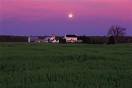
Of the trinity of northwestern cities, Jujuy lacks the colonial sophistication of Salta or urban vibe of Tucumán, but nevertheless shines for its livable feel, enticing restaurants and gregarious, good-looking locals. It’s got the most indigenous feel of any of Argentina’s cities. The climate is perpetually springlike; the city is the highest provincial capital in the country.
Categories
Atlantic-Coast Necochea Argentina

Totally pumping in summer and near dead in winter, Necochea’s beach-town feel is undisturbed by the high-rises that keep springing up. With 74km of beachfront, it’s fairly certain that you’ll be able to find a spot to lay your towel, and the place has the best waves on the coast, attracting surfers throughout the year. The foresty Parque Provincial Miguel Lillo is a great bonus here, as are the walking and horse-riding opportunities out to the west of town.

On the west bank of the Río Uruguay, midway between Colón and Concordia, 8500 sq km Parque Nacional El Palmar (493049; [email protected]; RN 14, Km 199; admission Argentine/foreigner AR$7/20) preserves the last extensive stands of yatay palm on the Argentine littoral. In the 19th century the native yatay covered large parts of Entre Ríos, Uruguay and southern Brazil, but the intensification of agriculture, ranching and forestry throughout the region destroyed much of the palm savanna.
Categories
Reserva-Natural-Otamendi Argentina
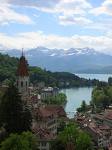
Covering some 27 sq km on the banks of the Paraná de las Palmas river, the Reserva Natural Otamendi is just 70km from Buenos Aires along RN 9, just beyond the Tigre Delta.