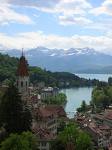
A mellow little riverside place, Gualeguaychú is very quiet out of season and you won’t find much to do apart from stroll by the river or in the lush Parque Unzué – which makes it very appealing if you’ve just come from Buenos Aires, for example. Argentine holidaymakers begin to arrive in December, and in January and February the place really kicks off, with the country’s longest and flashiest Carnaval celebrations.
Category: Argentina
Categories
Northeast-Argentina Mercedes Argentina

The main access point for the spectacular Esteros del Iberá wetlands, Mercedes is a handsome gaucho town with a mighty easy pace to life. Its claim to fame is the nearby –and utterly surreal – roadside shrine to the gaucho Antonio Gil, an enormously popular religious phenomenon, located 9km west of town.

East of Laguna Blanca are the wildlife-rich marshlands of 600-sq-km Parque Nacional Río Pilcomayo. Its outstanding feature is shallow, shimmering Laguna Blanca (not to be confused with the town) where, at sunset, caimans lurk on the lake’s surface. Other animals are likelier to be heard than seen; species such as tapirs, anteaters, and the maned wolf are present. Birds are abundant, with rheas, parrots, cormorants, jabirú, and raptors easily spotted. The park has grasslands studded with caranday palms, and thicker riverine vegetation.

Little Purmamarca, 3km west of the highway, sits under the celebrated Cerro de los Siete Colores (Hill of Seven Colors), a spectacular and jagged formation resembling the marzipan fantasy of a megalomaniac pastry chef. It and the surrounds offer a memorable range of hues.
Categories
Central-Argentina San-Juan Argentina
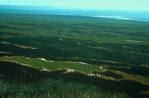
Living in the shadow of a world-class destination like Mendoza can’t be easy and, to its credit, San Juan doesn’t even try to compete. Life in this provincial capital moves at its own pace, and the locals are both proud and humble about their little town.

Named for the Selk’nam word meaning ‘like a heart, ’ Tolhuin (population 2000) is a lake town nestled in the center of Tierra del Fuego, 132km south of Río Grande and 104km northeast of Ushuaia via smooth pavement. This fast-growing frontier town of small plazas and sheltering evergreens fronts the eastern shore of Lago Fagnano, also known as Lago Kami. Most travelers tend to skip right over it, but if you are looking for a unique and tranquil spot, Tolhuin is well worth checking out.
Categories
Atlantic-Coast Argentina

Argentines can justly claim Latin America’s highest peak (Cerro Aconcagua), its widest street (9 Julio) and perhaps its prettiest capital, but its beaches are nothing to write home about. Nonetheless, while well-heeled porteños head to Uruguay and Brazil to while away the summer, most folks flock to the string of resort towns that dot the Atlantic Coast.
Categories
The-Lake-District Chos-Malal Argentina
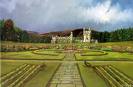
Cruising through the stark, desertlike landscape north of Zapala doesn’t really prepare you for arrival at this pretty little oasis town. Set at the convergence of Río Neuquén and Río Curi Leuvú, Chos Malal’s one claim to fame is that it was Neuquén province’s capital until 1904. Perhaps this explains why the town has so many stately old buildings and the present-day capital has so few.
Categories
Northwest-Argentina Humahuaca Argentina

The Quebrada’s largest settlement is its most handsome, with atmospheric cobblestoned streets, adobe houses and quaint plaza. You can feel the nearby puna here, with chilly nights, sparse air and a quiet Quechua population. Humahuaca feels less affected by tourism than the towns further south, and is the better for it. There are good handicrafts shops around town, and folk musicians strum and sing in the more popular restaurants.
Categories
Central-Argentina Merlo Argentina

Merlo is a growing resort known for its gentle microclimate (the local tourist industry buzzword) in a relatively dry area. The town is located 200km northeast of the city of San Luis, tucked into the northeast corner of San Luis province.