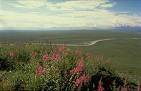
Also known fittingly as Valle de la Luna (Valley of the Moon; admission AR$35), this park takes its name from the Diaguita word for land without life. Visits here are a spectacular step – or drive, as the case may be – into a world of surreal rock formations, dinosaur remains and glowing red sunsets. The park is in some ways comparable to North American national parks like Bryce Canyon or Zion, except that here, time and water have exposed a wealth of fossils (some 180 million years old, from the Triassic period).
Category: Argentina

Poised on the edge of the barely populated wilderness of the Chaco (of which province it’s the capital), baking-hot Resistencia isn’t the most likely candidate for the garland of artistic center of northern Argentina. Yet it has strong claims to that title; its streets are studded with sculpture – half a thousand by the time you read this – and there’s a strong boho-cultural streak that represents a complete contrast to the tough cattle-and-dust solitudes that characterize the province.
Categories
Northeast-Argentina Santa-Fe Argentina

There’s quite a contrast between Santa Fe’s relaxed center, where colonial buildings age gracefully in the humid heat and nobody seems to get beyond an amble, and a Friday night in the Recoleta district where university students in dozens of bars show the night no mercy. Capital of its province, but with a small-town feel, Santa Fe is an excellent place to visit for a day or two.
Categories
Central-Argentina Uspallata Argentina

A humble little crossroads town on the way to the Chilean border, Uspallata is an oasis of poplar trees set in a desolate desert valley. The polychrome mountains surrounding the town so resemble highland Central Asia that director Jean-Jacques Annaud used it as the location for the epic film Seven Years in Tibet, starring Brad Pitt.
Categories
Buenos-Aires Argentina
Sexy, alive and supremely confident, this beautiful city gets under your skin. Like Europe with a melancholic twist, Buenos Aires is unforgettable.
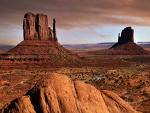
Stately Corrientes sits below the confluence of the Paraná and Paraguay rivers just across the water from its twin city, Resistencia. One of the nation’s most venerable cities, Corrientes has dignity, with elegant balconied buildings dating from the turn of the 20th century lending a timeworn appeal to its colorful streets. Like many such cities, the costanera is everybody’s destination of choice for strolling, licking ice creams or sipping mate with friends.

The pace of life slows waaaay down in this alpine-styled village, nestled in the forest in the Valle de Calamuchita. The tranquility is largely thanks to the town’s pedestrian-only policy. It’s a great place to kick back for a few days and wander the forest trails leading to swimming holes, waterfalls and scenic lookouts.
Categories
Northwest-Argentina Argentina

With a very tangible sense of history, the northwest is Argentina’s most ‘indigenous’ region, and the sights and people here show much closer links with the country’s Andean neighbors than the European image of its urban centers.

This humid but appealingly laid-back riverside town 38km northeast of Corrientes is a popular summer and weekend destination for correntinos (people from Corrientes) and chaqueños (people from Chaco). It’s a sizable settlement stretching along the Río Paraná near its confluence with the Paraguay, but the population is small outside of high season.

Something of a frontier town, Presidencia Roque Sáenz Peña, its full cumbersome name, is well out in the Chaco, and is the gateway to the ‘Impenetrable’ beyond. It’s known for its thermal baths, fortuitously discovered by drillers seeking potable water in 1937, and makes an appealing stop, with a rugged, friendly feel to the place.