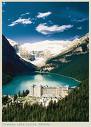
 The Wairarapa is the large slab of land east and northeast of Wellington, beyond the craggy Tararua Range and Rimutaka Range. Named after Lake Wairarapa (Shimmering Waters), a shallow 8000-hectare lake, the region has traditionally been a frenzied hotbed of sheep-farming – there are more than three million sheep within 16km of Masterton (we counted ’em). More recently some brilliant wineries have sprung up around Martinborough and Greytown (Pinot Noir is the speciality), which has turned the region into a decadent weekend escape for Wellingtonians. A vigorous foodie culture has evolved alongside the wineries and restored B&B cottages. All this boozy hubbub doesn’t seem to impress some long-term locals, who remain bound to Bible Belt mentality – highway billboards warn, ‘You have sinned and fallen short of God’s glory.’
Read more for detail and Video tours from others.
 This residential suburb about 8km east of Montego Bay is a center for deluxe resorts and villas, several of which line the shoreline of the scintillating Mahoe Bay.
 The city of Torreon is located in Mexico’s northern region in southwest Coahuila, 278 km (172 mi) from state capital Saltillo. The climate is hot and dry, with an average year-round temperature of 24º C (75º F). During the summer, however, the temperature can reach 40º (104º F).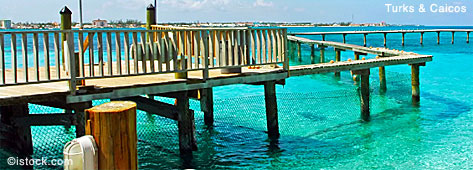
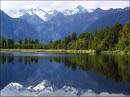 Holding good claim to the title of NZ’s rural heartland, this is the kind of no-nonsense place that raises cattle and All Blacks. A bastion of independent Maoridom, it was never conquered in the war against the King Movement. The story goes that King Tawhiao placed his hat on a large map of NZ and declared that all the land it covered would remain under his mana (authority), and the region was effectively off limits to Europeans until 1883.
 The ramshackle village of Hagley Gap sits abreast a hill east of Mavis Bank and is the gateway to the Blue Mountain Peak. The road forks in the village, where a horrendously denuded dirt road to Penlyne Castle begins a precipitous ascent.